Rising construction costs: impacts on renovations and timelines in Turin
by Marco Balistreri · · 5 minute read
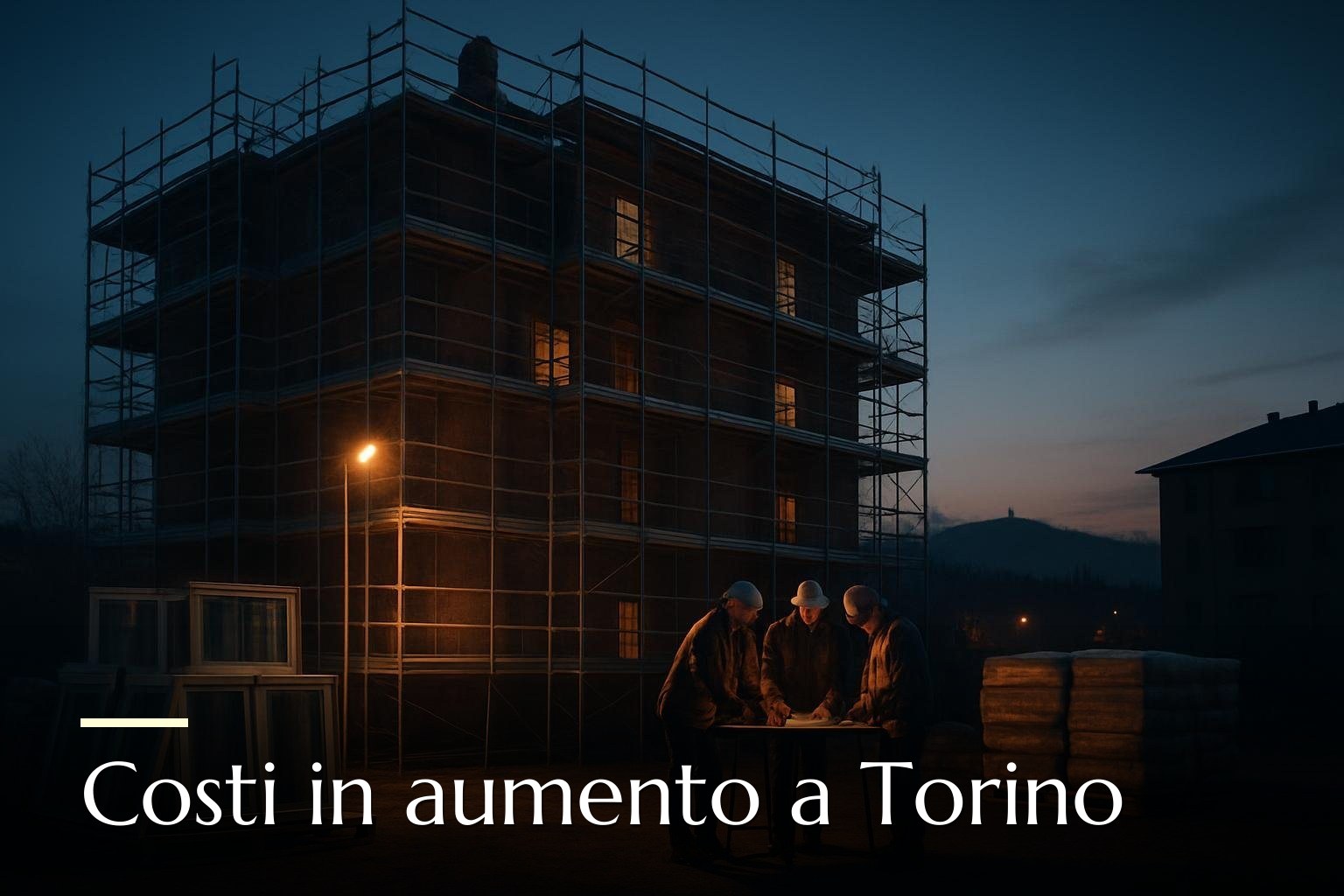
In Turin, construction costs increasingly affect estimates and delivery times: higher prices for materials, energy and labour mean more expensive projects and greater risk of delays. Buyers, sellers and those planning renovations must update strategies and budgets to avoid financial surprises and delivery delays.
In brief
- Construction costs have risen significantly in recent years: those planning works should allow for higher contingencies.
- Supply delays and labour shortages can extend delivery times: plan for alternative materials and suppliers.
- For many redevelopments, retrofit is more cost-effective than new build: consider a preliminary technical due diligence.
- In Turin, checking municipal permits and regional funding programmes can reduce costs and speed up works.
Drivers of rising construction costs and what it means for Turin
Key factors driving construction cost increases include rising prices of raw materials (steel, cement, petroleum derivatives), energy costs, and growing difficulty in sourcing skilled labour. In Turin, local factors add: demand for renovatations in central districts, infrastructure projects, and competition among local firms restricting available crews for residential and commercial sites.
How rising costs change estimates and profit margins
An estimate based on outdated prices risks underestimation: for works delayed in choosing contractors or materials, final costs can rise significantly. This reduces the seller's margin when renovating to enhance property value and may render some upgrades unaffordable for owners on tight budgets. Buyers may face delivery delays or incomplete work if contractual guarantees and deposits are not revised.
Delivery times: expected delays and how to reduce them
Delays stem from longer procurement times for materials and systems, lack of technical staff, and organisational issues. In Turin, it is advisable to immediately consider alternative stocks: specify equivalent materials in contracts, use local suppliers to cut transport time, and include clear penalty and force majeure clauses. Scheduling overlapping works (e.g. construction and installations where possible) helps recover weeks in the overall timeline.
Renovations and redevelopment: when is intervention still worthwhile?
Starting a new build is not always the best option: due to higher costs and longer timelines, retrofitting and energy upgrading existing buildings often offer a better cost-benefit ratio. In Turin, interventions such as thermal insulation, system replacements, and energy performance improvements often increase market value without the costs and risks of new developments. However, technical due diligence and updated construction cost estimates are essential for informed decisions.
Impact on the real estate market: prices, rents and sales timing
Rising construction costs can support new-build prices and thus affect property supply. In Turin, cost increases may reduce developers' willingness to launch projects in less central districts, focusing efforts on sought-after areas and strengthening the market for renovated properties. For sellers, presenting a renovated property can be a competitive advantage, but careful financial planning is needed to preserve expected gains.
Practical advice for those renovating in Turin
- Update your budget including an 8-15% contingency for changes in materials and labour.
- Request binding quotes from multiple contractors and plan alternatives for critical materials (e.g. different suppliers for windows or systems).
- Schedule a technical due diligence before signing: verify condition of systems, structures and energy compliance.
- Consider local incentives and grants for energy efficiency: in Turin, there are often schemes and facilitation reducing the net cost of interventions.
- Set clear contractual deadlines and penalties for avoidable delays; agree milestones and payments linked to progress.
For sellers, considering small targeted improvements (updated bathrooms and kitchen, better energy certification) often increases market competitiveness without requiring massive investments.
Frequently asked questions
Is it worth postponing a renovation hoping costs will decrease?
Postponing is risky: costs could continue to rise or remain high for years, and delays often generate higher indirect expenses. It's better to update the project and include contingency margins rather than waiting for an uncertain reduction.
Which interventions guarantee the best returns in Turin?
Energy efficiency upgrades (insulation, new boilers or heat pumps, window frames) and improvements to bathrooms and kitchen often provide the highest added value in terms of sale price and rental appeal.
How to manage the risk related to labour availability?
Negotiating early, selecting contractors with reliable subcontractors, and including contract clauses allowing substitutions and adjustments reduces the risk of prolonged delays.
Are there public aids that reduce the impact of costs?
Yes: checking national incentives and regional or municipal grants for energy efficiency and refurbishment can significantly reduce the net cost of the intervention. It is essential to verify deadlines and conditions before starting work.
In conclusion, updating your approach to renovation work is essential: planning contingencies, opting for retrofit when advantageous, and planning alternative suppliers helps contain financial impacts and delays. If you want concrete advice on your project in Turin — updated cost estimates or feasibility checks — contact Parco Immobiliare: we can help you assess risks, timings, and opportunities without obligation.
Useful links on our blog: The Cost of Delaying Redevelopment, Unique condominium redevelopment programmes.
Do you have questions about this topic or your property?
Talk to us