New logistics hubs completed: the Tor Cervara DC1 example
by Marco Balistreri · · 5 minute read
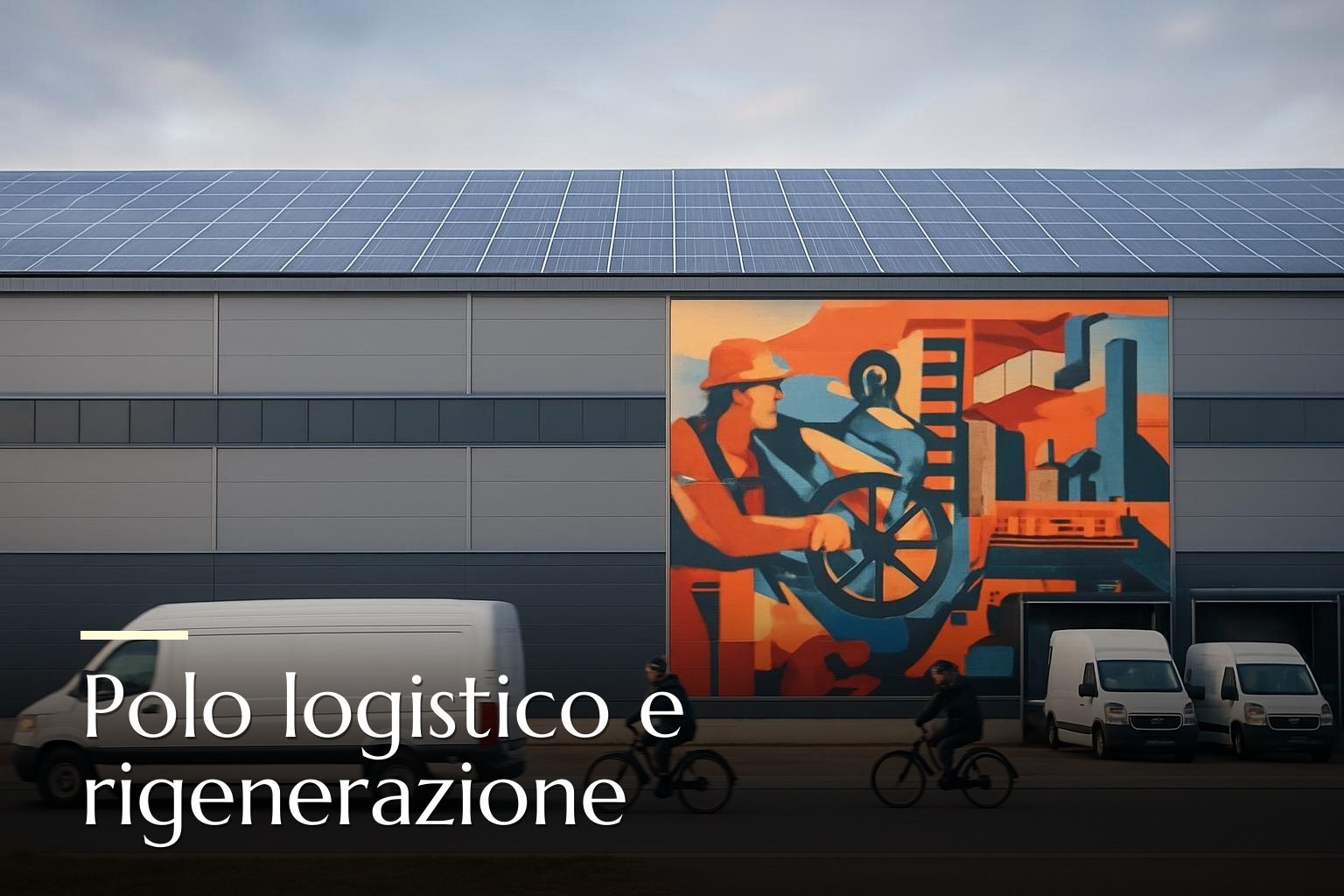
New logistics hubs have a concrete impact on the real estate market: they increase demand for adjacent land, enhance modern warehouses, and change the profitability of industrial investments. The new Tor Cervara DC1 facility demonstrates how a state-of-the-art regeneration and logistics project can transform a disused urban area into a sought-after asset for distribution and e-commerce operators. This article analyses market effects, opportunities for investors and owners, and implications for the Turin area.
In brief
- Modern logistics hubs increase demand for urbanised land in peri-urban and metropolitan fringe areas.
- Class A warehouses, with energy certifications and cross-dock solutions, register very high occupancy rates.
- Regenerating disused industrial sites avoids land consumption and can improve urban sustainability.
- In Turin, logistics expansion creates investment opportunities and allows conversion of obsolete industrial areas.
Why New Logistics Hubs Matter for the Real Estate Market
Modern logistics hubs are no longer just warehouses: they are infrastructure requiring plots well connected to main roads, last-mile services, operational offices and environmental certifications. In Turin and nearby provinces, demand focuses on areas with quick access to ring roads, motorways and freight corridors. This shifts interest from obsolete industrial properties towards already urbanised land or buildings ready for redevelopment.
Effects on Land and Industrial Property Prices
When a quality logistics hub is completed nearby, prices for urbanised land tend to rise: logistics operators, service providers and handlers seek spaces for vehicle parking, sorting hubs and support warehouses. At the same time, Class A warehouses increase their value and rental potential compared to non-compliant ones. For owners and investors, renovation projects to achieve high energy and operational standards are often profitable.
The Role of Urban Regeneration and Sustainability
Projects transforming disused industrial areas into logistics hubs with urban regeneration criteria avoid new soil consumption and improve territorial layout. Environmental certifications (e.g., LEED or equivalents) and photovoltaic systems reduce operating costs and make properties more attractive to major tenants. In Turin, similar initiatives can help recover degraded areas, reduce visual impact and create synergies with the local productive fabric.
Impact on Employment and the Local Economic Fabric
A new logistics hub generates direct jobs (operations, warehouse management, maintenance) and indirect ones (transport, services, catering). It also promotes the spread of logistics and digital skills in the area. In urban contexts like the Turin belt, a well-integrated logistics project can stabilise local economies and attract further suppliers and related activities.
Opportunities for Investors and Private Owners
- Investing in quality industrial properties: prefer warehouses with high energy performance and layouts for cross-dock or logistic mezzanines.
- Purchasing urbanised plots near road nodes: useful for short to medium-term developments, especially if the area is planned for logistics use in the urban plan.
- Redevelopment of disused areas: transforming an industrial site can increase value and attract long-term tenants.
- Partnerships with logistics operators: long-term contracts ensure stable cash flows and increase property value.
What to Consider Before Investing in a Logistics Project
Assessing proximity to transport infrastructure, availability of skilled labour, urban planning and landscape restrictions, and road connectivity is essential. Check land compatibility with logistics uses, presence of environmental or remediation constraints and costs for plant upgrades. If considering redevelopment of an existing site, estimate time for permits and possible incentives for urban regeneration.
Implications for Turin and the Metropolitan Area
In Turin, the demand for urban logistics solutions grows alongside e-commerce and the need for rapid deliveries. Transforming unused industrial areas into service logistics hubs near the city centre can reduce last-mile travel distances and improve overall efficiency. Monitoring municipal plans and already urbanised areas is useful for those seeking opportunities: shifting focus from pure outskirts towards hubs integrated with urban transport networks can provide a competitive edge.
Practical Advice for Buyers, Sellers and Renters
For sellers: highlight regulatory compliance, plant installations and your property’s energy certifications. For buyers: check road connections, fiscal impact of land use, and potential need for remediation or upgrading. For tenants: opt for long-term contracts with clear indexation clauses to cover investments in structural improvements.
Frequently asked questions
How does the value of land near a new logistics hub change?
The value tends to rise, especially if the land is already urbanised and well connected to infrastructure. The increase depends on planning restrictions, accessibility and availability of logistics services.
Is it worthwhile to refurbish an old warehouse for logistics use?
Yes, if the building can be upgraded to the operational and energy efficiency standards required by operators. It is essential to evaluate refurbishment costs against the potential rent or market value.
What benefits does energy certification bring to a logistics hub?
Certifications increase attractiveness to major tenants, reduce operating costs and can facilitate access to finance or incentives related to sustainability.
How to track opportunities in Turin?
Check municipal urban plans and regeneration tenders, monitor disused industrial areas and assess proximity to ring roads and existing distribution hubs.
If you are considering land or a property for logistics purposes or want to understand how a new hub in your area might affect property value, we can assist you with a practical, contextualised assessment for Turin and its province. Contact us for a detailed opinion.
Do you have questions about this topic or your property?
Talk to us