
Property flipping: what it is, advantages and risks to consider
by Marco Balistreri · · 4-minute read
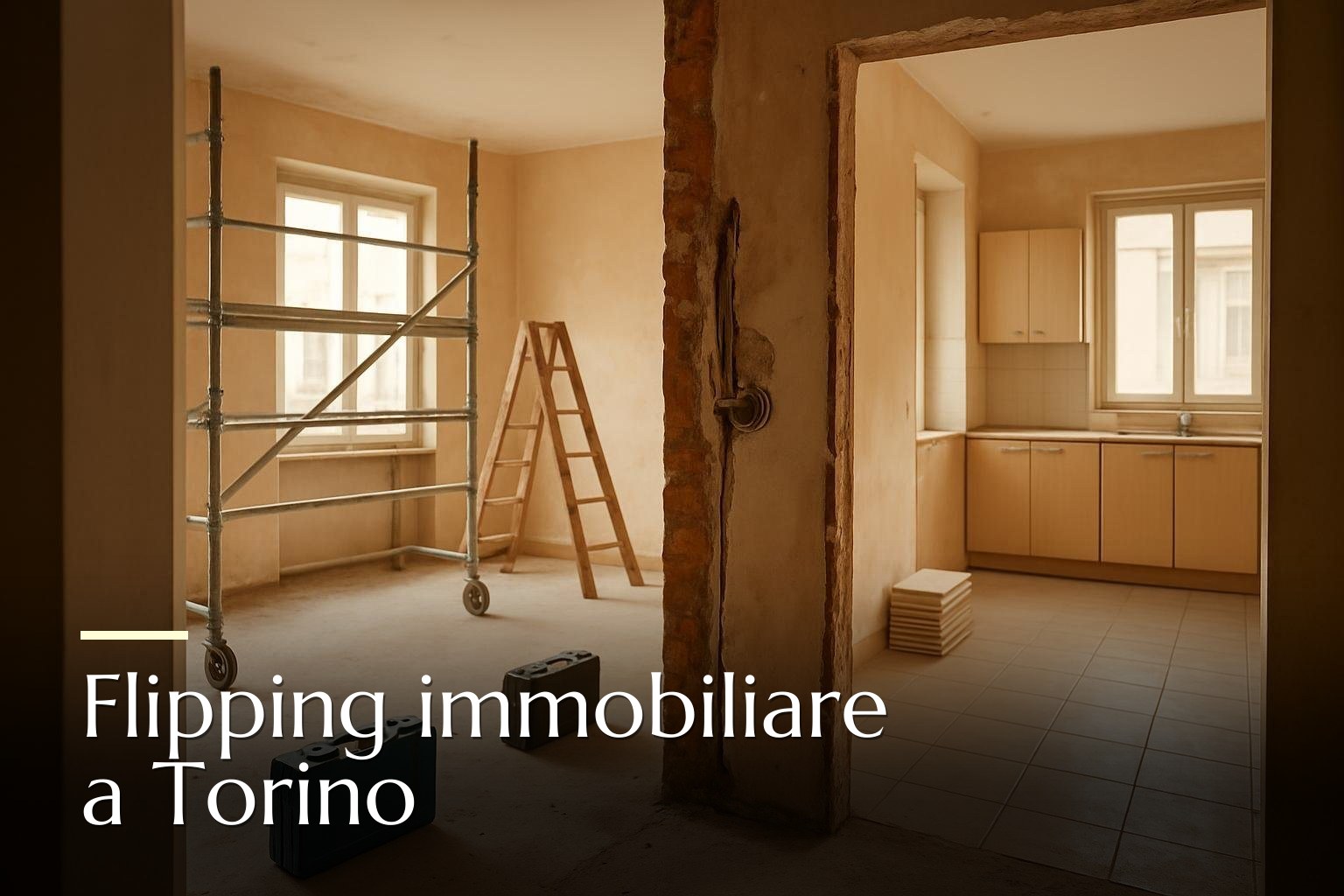
The real estate flipping is an investment strategy involving the purchase of a property, enhancement work (repairs, renovations, home staging), and resale in the short to medium term to achieve a capital gain. In Turin, as in other Italian cities, this phenomenon attracts both small private investors and professional operators seeking undervalued or to-be-restored properties.
In brief
- Goal: buy, enhance and sell quickly to gain a capital profit.
- Typical timeframe: from a few months up to 2 years, depending on works and local market.
- Main costs: purchase price, renovations, tax charges and marketing.
- Risks: underestimating costs, technical or regulatory surprises, market fluctuations.
What real estate flipping means and how it works
In real estate flipping, the investor does not intend to hold the property long-term or rent it out: the purpose is to rapidly increase its perceived value and sell it. Typical phases are property search, financial analysis, purchase, work planning, renovation or aesthetic improvements, promotion and sale. For example, in Turin, acquiring an apartment to renovate in areas with stable demand can speed up resale after refurbishment.
Advantages of real estate flipping
The first advantage is potential rapid return: compared to renting, flipping can generate liquidity faster. Second, it allows the enhancement of neglected properties: targeted interventions (kitchen, bathroom, compliant systems) increase perceived value. Third, it offers flexibility: various capital levels can be used, from small improvements to full renovations. Finally, for those familiar with the Turin market, flipping enables exploiting niches (e.g. apartments near universities or regeneration areas) where demand is stronger.
Main disadvantages and risks
The main disadvantage is financial risk: if renovation or ancillary costs are underestimated, the capital gain may disappear. Other risks include work delays, planning issues (permits, heritage restrictions), unforeseen costs on systems or structures, and real estate market fluctuations. Tax-wise, rapid resale can entail different taxes from ordinary disposals; verifying timing and regulations is crucial to avoid surprises.
Which renovations are worthwhile for flipping
Not all works equally increase value. High-impact interventions for flipping are: renovating kitchens and bathrooms, bringing plumbing and electrical systems up to code, improving windows for energy efficiency, and minor finishing touches such as flooring and neutral painting. The Renovation Bonus can be a useful tool to reduce net renovation costs but must be evaluated case-by-case.
Financial analysis: how to assess feasibility
To decide whether to proceed, a realistic estimate of costs (purchase, registration tax or VAT, works, technical fees, agency, advertising) and a cautious forecast of sale price are needed. Calculate a safety margin: add at least 10-15% to the renovation budget for unforeseen expenses. Also consider sales timeframe: very specific or over-refined properties may stay longer on the market. The checklist for selling a home in Turin. is helpful to keep track of required procedures and documents in the sales process.
Regulatory and tax aspects to check
Before purchasing, verify cadastral status, absence of mortgages or liens, and whether permits for works are necessary (building permit or communications to the Municipality). For works in protected or listed buildings, specific authorisations are required. From a tax perspective, short-term sales may be classified as miscellaneous income: consulting a professional avoids errors in declarations and tax calculations.
Practical strategies to reduce risks
- Careful selection: prefer properties with sound structures but dated aesthetics, avoiding those with serious structural issues.
- Detailed quotes: obtain more offers and hire a project manager to monitor times and expenses.
- Sales planning: stagger works and marketing campaigns according to local market and seasonality.
- Safety margin: always consider unforeseen costs and longer selling times than expected.
When flipping is most profitable in Turin
In Turin, flipping is attractive in neighbourhoods with demand from students, young professionals, or regeneration areas. Zones with generally shorter sales times and stable prices help reduce risk. Also assess availability of services and proximity to transport: these factors affect quick marketability.
Frequently asked questions
How long does it take to profit from flipping?
Times vary: from a few months up to 2 years. It depends on the extent of the work, the bureaucracy for permits, and the speed of sale in the local market.
Do I need a company or can I do flipping as a private individual?
You can also do it as a private individual, but working with reliable contractors and a professional coordinator manages risk and quality. For repeated operations, structuring professionally is advisable.
What are the most common hidden costs?
Hidden costs include unexpected plant system upgrades, special condominium charges, additional urban planning procedures, and longer sales times with consequent management expenses.
Can I use tax bonuses for flipping?
Some renovation or energy efficiency bonuses can reduce the net cost of works, but requirements and deduction timings must be met; it is advisable to check case by case with a technician or accountant.
Practical advice: always carry out thorough due diligence before purchase, request multiple quotes, and consider a safety margin on costs and timing. If you are considering a flipping project in Turin, we can offer you an impartial property appraisal and guidance on the most profitable works; contact us for a technical and commercial consultation without obligation.
Do you have questions about this topic or your property?
Talk to us