Renovation bonus extended to 2027: how to increase your property's value in Turin
by Marco Balistreri · · updated on · 6 minute read
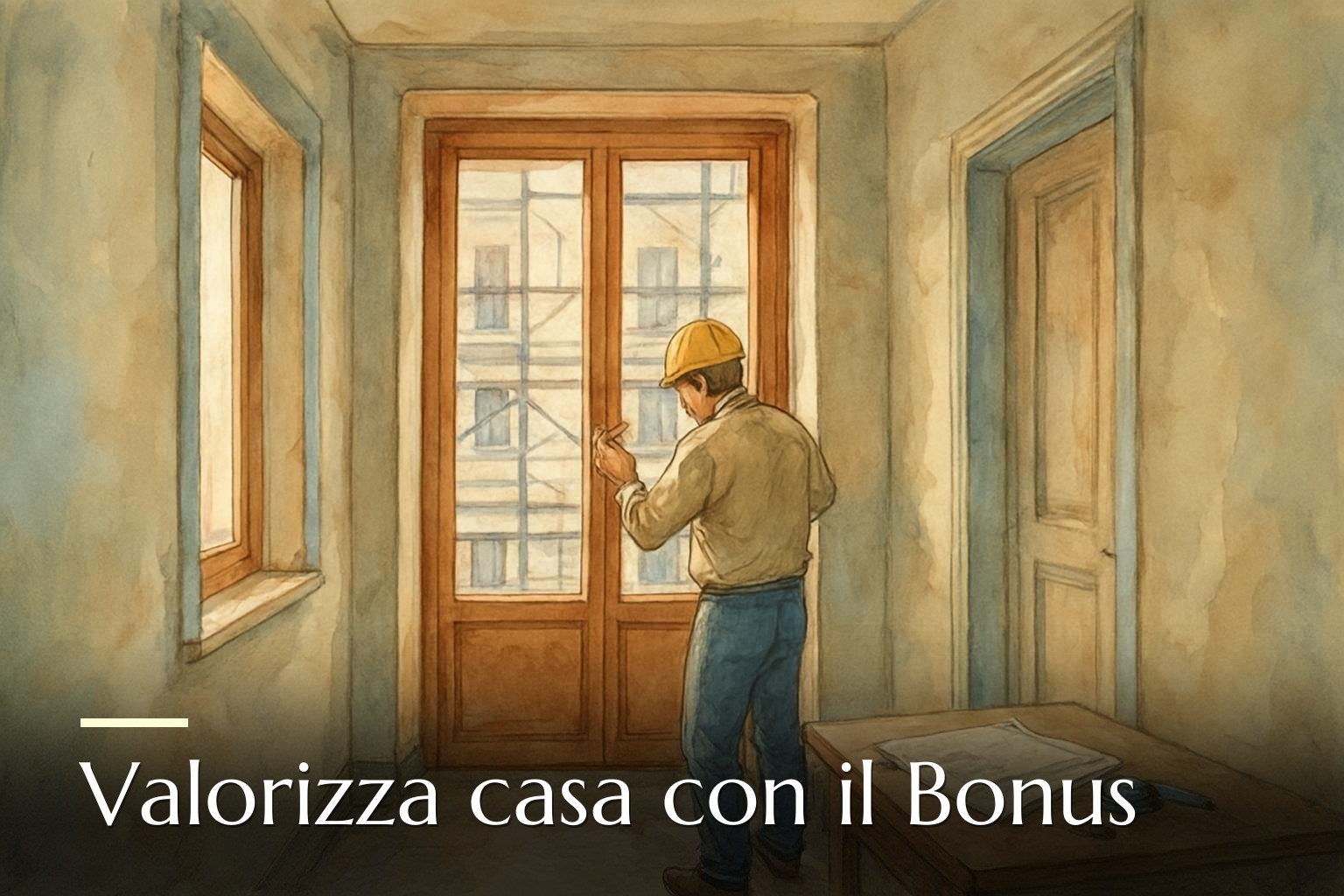
The Renovation Bonus has been extended to 2027 with the current rates: 50% for the primary residence and 36% for other units, with a maximum eligible expenditure of 96,000 euros. For owners and investors in Turin, this confirmation represents a useful fiscal lever to increase property value before selling or renting.
In brief
- Extension of the Renovation Bonus to 2027 with confirmed rates: 50% for the primary home, 36% for others.
- Maximum deductible spending limit: 96,000 euros per property unit; deduction spread over 10 years.
- Furniture bonus linked to renovation: 50% deduction up to 5,000 euros when renovation is planned.
- For greater deduction, the property must be used as the main residence upon completion of the works (requirement set by the Revenue Agency).
Why the Renovation Bonus is beneficial for those wishing to sell or rent in Turin
In Turin, demand focuses on apartments in the historic centre, semi-central areas and zones with good access to services. Solid and certifiable improvements enhance the property's market presentation and can increase the sale price or rental income. The Renovation Bonus lowers the net cost of works, making it advantageous to carry out projects that improve energy class, resolve structural issues or make spaces more functional.
Works that most rapidly increase a property's value
- Basic energy efficiencyinsulation of attics, replacement of old windows with thermal break frames and more efficient boilers. Although the highest eco-bonus is not always achieved, improving the energy class makes the property more appealing in Turin, where demand favours lower bills and comfort.
- Compliant systemselectrical and plumbing upgrades with relevant certifications. Buyers and banks require compliant systems to grant favourable mortgages; for rentals, up-to-date certifications reduce risks and increase trust.
- Bathroom and kitchen refurbishmenttargeted works such as replacing fixtures, tiles, shower trays and modern worktops. Typically, these works offer good returns in perceived value and faster sales.
- Elimination of structural faultsrepairs of plaster, damp or infiltration issues, balcony consolidation. Works that remove clear technical defects immediately increase marketability.
- Space redistributionopening a closed kitchen into a living room or creating walk-in wardrobes can increase perceived value, especially for small apartments typical of many Turin neighbourhoods.
Which works qualify for the Renovation Bonus and how to combine it with other incentives
The Renovation Bonus covers a wide range of interventions on residential units and common areas. It is often beneficial to combine the Renovation Bonus with the Furniture Bonus (50% up to 5,000 euros when furniture is purchased linked to renovation) or with any eco-bonuses available for specific energy requalification works. In Turin, for example, replacing windows and improving insulation can open access to both incentives, reducing the net cost for the owner.
Documents and practical steps needed to access the Renovation Bonus
To benefit from the Renovation Bonus it is essential to keep and produce a series of documents:
- Receipts of payments made via specific bank transfers with detailed motive for renovations (including legal references and property cadastral data).
- Invoices and contracts with executing companies.
- Any communications to the municipality (CILA, SCIA) when required by the type of intervention; in Turin many renovations need at least a CILA.
- Declarations of conformity for renewed systems and energy certifications if required for linked incentives.
- Documents proving ownership or legal right to the property (title deed, loan for use contract, etc.).
Timing and distribution of the deduction
The applicable deduction is split into ten equal annual instalments. The cash criterion applies: the deduction is considered applicable in the tax period in which payments were actually made. Sellers within ten years should consider the effect of sale on any remaining deduction instalments — consulting your accountant or a real estate advisor in Turin is wise before concluding the transaction.
Practical strategy to sell or rent better in Turin
- Assess with a professional which interventions offer the best cost/value ratio for your neighbourhood (e.g. historic centre vs South suburbs).
- Prioritise work that immediately improves livability and energy class; document everything from the start to retain incentives.
- Use the Furniture Bonus to upgrade kitchen and bathroom if you are already undertaking works; a modern kitchen can speed up the sale.
- Before putting the property on the market, update the floor plans and prepare a summary of improvements made to attach to the listing or sale deed.
For those seeking a quick guide on preparing a home for sale, find practical tips in our home staging guide and checklist for selling a home in Turin, useful to consult after the works (see Prepare your property e Checklist for selling a home in Turin).
Also read
- Furniture Bonus 2027: extension, requirements and how to enhance property in Turin
- 2027 Budget Law: changes to home bonuses and property transactions in Turin
- Condominium Incentives 2026: which bonuses to leverage to increase value
Frequently asked questions
Who can apply for the Renovation Bonus?
It can be requested by taxpayers incurring expenses for interventions on residential properties located in Italy; you must hold a real or personal right on the property at the start of the works or demonstrate its use as main residence by completion to obtain the enhanced deduction.
Which payments qualify for the deduction?
Payments must be documented via the required 'bonifico parlante' (designated bank transfer) for renovations, including reason, tax code of the beneficiary, and property's cadastral data; also keep invoices and receipts.
If I sell the property before the end of the 10 instalments, what happens to the remaining deduction?
The deduction already used is retained; future instalments depend on the deed and agreements between parties and should be assessed on a case-by-case basis with an accountant. It is important to disclose any remaining instalments during negotiations.
Is it better to wait before doing the works or is now the right time?
With the extension to 2027, tax conditions remain favourable. If the works improve energy class or resolve structural issues, it is worthwhile to start immediately to benefit from the incentive and put the property on the market in better condition.
Final practical advice: plan interventions with a detailed estimate, always request the CILA or other required building permit from the Municipality of Turin, make payments via bonifico parlante and keep all documentation. If you want advice on which works suit your specific property in Turin, contact us: we can assess the ideal intervention and guide you through the tax documentation.
Do you have questions about this topic or your property?
Talk to us