Balistra management software: practical guide for agencies and owners
by Marco Balistreri · · 5 minute read
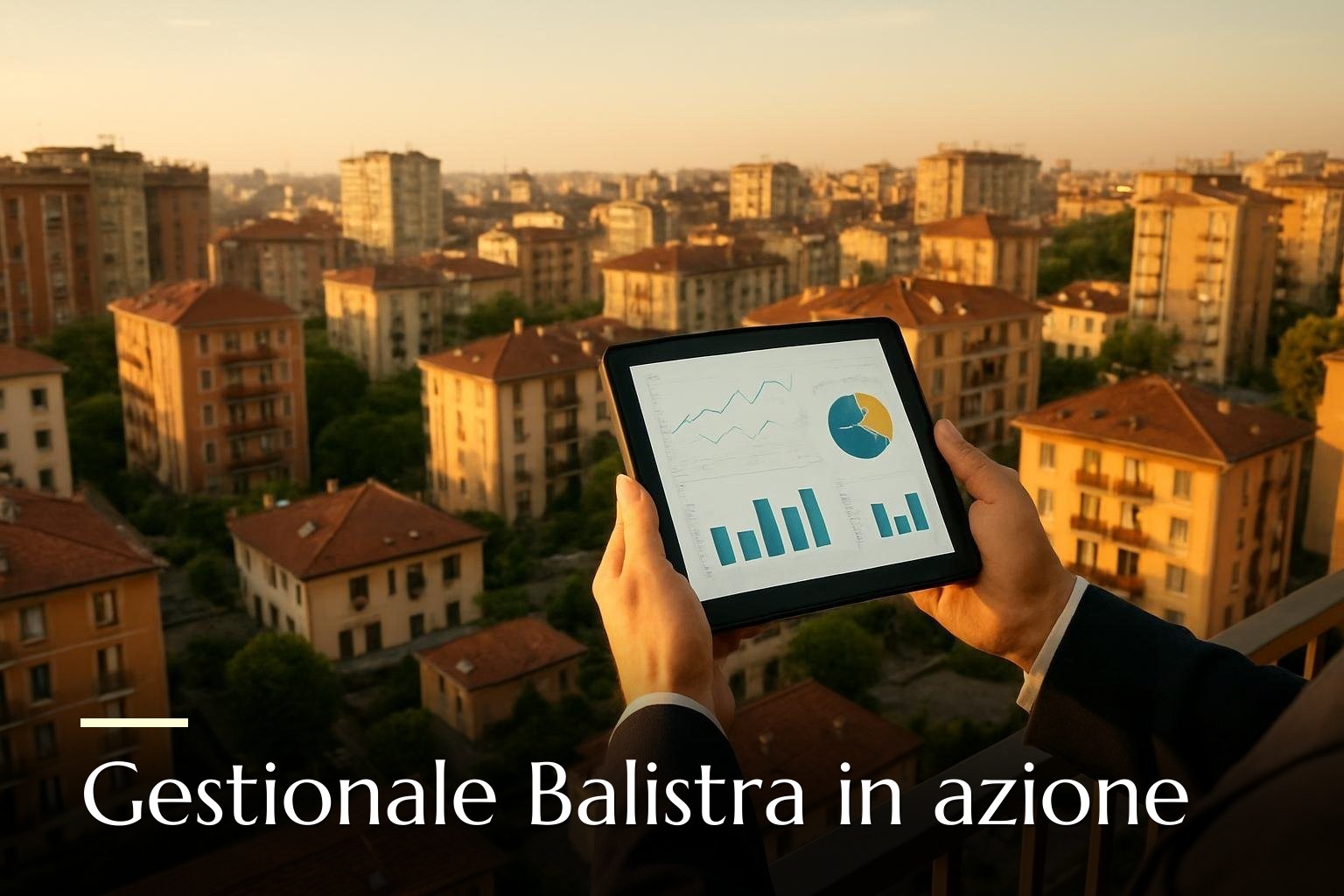
The Balistra management system It is a tool designed for property managers — agencies, property managers and owners — who want to centralise contracts, deadlines, payments, and maintenance. This guide explains practical features, recommended workflows and relevant operational aspects if you work in the Turin market and its province.
In brief
- Initial setup: import contacts, properties and contracts to get started in a few days.
- Accounting and deadlines: monitoring rents, bills and tax deadlines with automatic notifications.
- Maintenance and ticketing: managing reports and quotes with intervention history for each property.
- Reports and compliance: exports for financial statements and useful documents in sales or condominium checks.
What the Balistra management system does and why it's needed
The Balistra management system centralises key real estate activity data: tenant and owner contacts, lease contracts, tax deadlines, accounting, income and expenses. In Turin, where demand for short and long-term rentals varies by neighbourhood, having up-to-date data helps make quick decisions on renewals, rent increases or value-enhancing works.
First phase: setup and data import
To start with the Balistra management system, create a clear data structure: properties identified by full address, floor and cadastral identifiers if available; owner and tenant contacts; contract type and related deadlines. Import data from Excel or your previous management system: check for duplicates and standardise entries (e.g., contract types, payment methods).
Organising contracts and deadlines
Set up contract templates and communication models (renewals, terminations, reminders). Use the deadline calendar to manage: renewals, deposit deadlines, rent reviews, insurance policy expiry, and periodic system inspections. Set email or SMS notifications and alerts to avoid delays that could cause legal issues or financial losses.
Accounting management and reporting
Balistra allows you to record income and payments, generate statements for owners and schedules for tenants. Keep separate cashbooks by property or owner: this facilitates quarterly reports and tax declarations. For those working in Turin, store documents related to local incentives or tax deductions in dedicated folders for quick access during checks.
Maintenance, ticketing and suppliers
Use the ticket module to track tenant reports: description, photos, priority, supplier quotes and intervention history. Standardise preferred suppliers (plumber, electrician, construction company) with agreed conditions and response times. Recording costs and times allows evaluation of intervention effectiveness and planning of scheduled maintenance, reducing emergencies.
Useful automation and integrations
Enable integrations with online payment tools to automatically reconcile income and bills. If using real estate marketing tools (portals or CRM), check the possibility of synchronising listings and visits to avoid duplicate entries. Automate statement sending to owners and reminders to tenants to save administrative time.
Reports, analyses and KPIs to monitor
Define simple KPIs: occupancy rate, average fault resolution time, income per property, arrears and average maintenance cost. With Balistra you can generate monthly reports to assess property performance and compare neighbourhoods: in Turin, for example, comparing gross returns between the historic centre and outskirts can help decide value-enhancing interventions.
Common mistakes to avoid
- Failing to keep cadastral and contact data updated leads to inconsistencies in sales or inheritance.
- Ignoring monthly bank reconciliation wastes time and risks accounting errors.
- Not tracking intervention history reduces value when selling or transferring management.
- Giving administrative access to too many people without distinct roles creates confusion and security risks.
The Balistra management system for buying or selling a home
When preparing a property for sale, the management system helps gather required documentation (contracts, expense statements, maintenance history) making due diligence quicker. This is crucial in negotiations: a well-organised dossier increases buyer confidence and can speed up the sale.
Useful links and case studies in Turin
For Turin property managers also handling offices, I suggest integrating Balistra reports with office market analysis to evaluate leasing and contract renegotiation strategies: you can read more about local dynamics at The office market in Turin. If you handle eviction processes or arrears, cross-referencing management system data with local regulations and administrative timelines is essential: a useful read is Evictions 2025: what they mean for owners and managers in Turin.
Frequently asked questions
How do you import the property portfolio into the Balistra management system?
It is imported via CSV/Excel file following the template provided by the software: property details, address, cadastral information, owner, and contractual parameters. It is important to clean the data before importing to avoid duplicates and inconsistencies.
Can I use Balistra to manage both short-term and long-term rentals together?
Yes: Balistra allows you to create different contract types and manage separate calendars, rates, and specific reporting for short-term and long-term rentals. Keeping reports and accounting separate for each type simplifies the owner’s reporting.
How do you keep track of maintenance expenses for each property?
Use the intervention management module to record quotes, actual expenses, and invoices related to the property. Linking each expense to the property unit provides aggregated reports and histories useful for evaluating the investment and the asset’s sustainability.
Is it difficult to ensure the security of client data?
Security depends on management practices: set roles and permissions, enable two-factor authentication if available, and perform regular backups. Limit administrative access and document internal operating procedures to reduce the risk of human error.
Practical tips: start by cleaning existing data, define roles and a standard workflow (from reporting faults to owner reporting), and activate notifications for critical deadlines. If you wish, we can analyse your current workflow and suggest an implementation map for the Balistra system tailored to the Turin market. Contact us for operational advice and a free check of your management checklist.
Do you have questions about this topic or your property?
Talk to us