How to combat commercial desertification in Turin's neighbourhoods
by Marco Balistreri · · 5 minute read
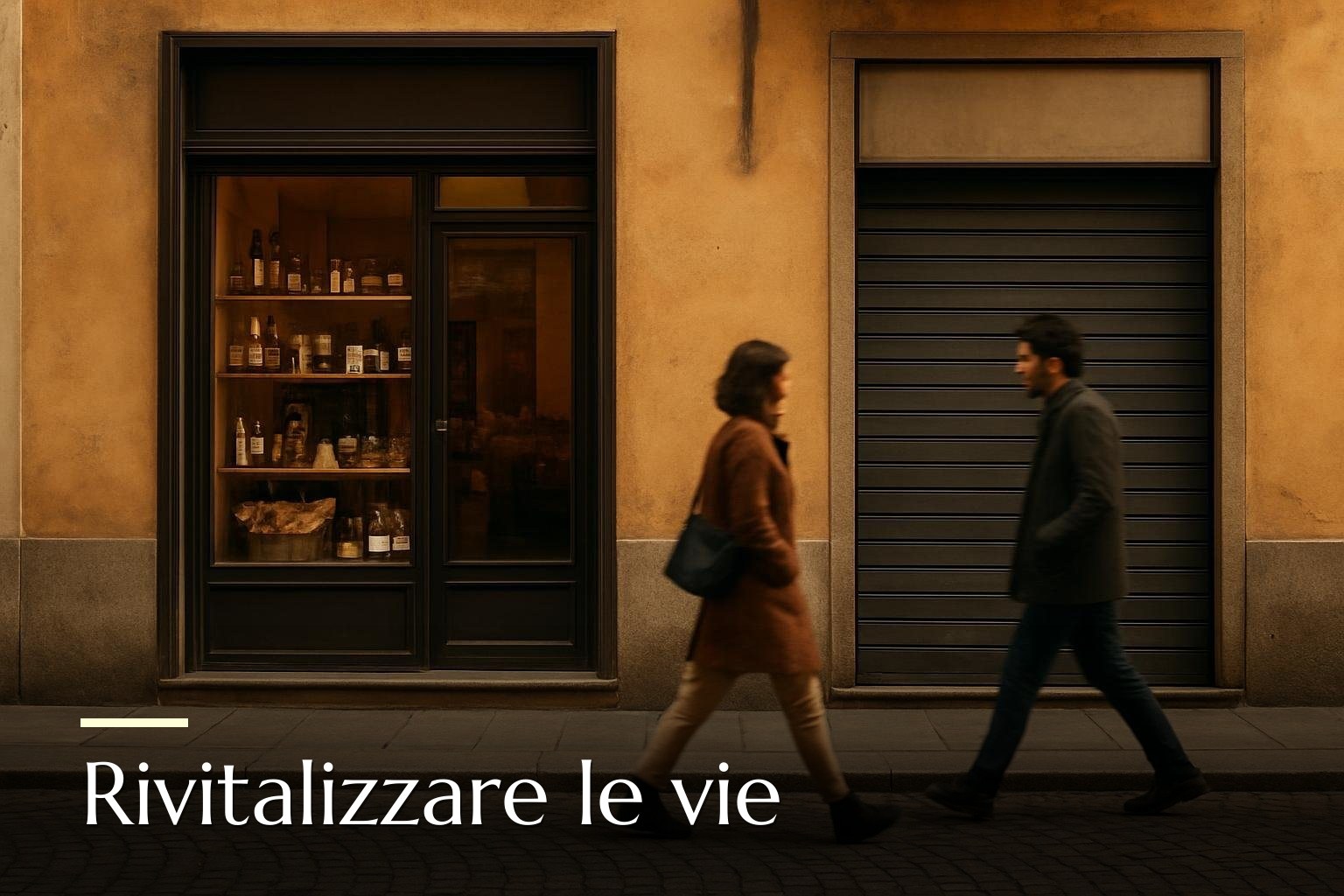
A Torino la desertificazione commerciale si manifesta con vetrine chiuse, locali sfitti e minore presenza di servizi di prossimità: fenomeni che riducono la vivibilità dei quartieri e influenzano il valore immobiliare. Contrastare questo processo richiede azioni coordinate tra amministrazione locale, proprietari immobiliari, associazioni di categoria e residenti, con misure che vadano dalla raccolta dati alla rigenerazione degli spazi urbani.
In brief
- Piani d'Azione Territoriali (PAT): strumenti locali per mettere insieme dati, obiettivi e responsabilità di rigenerazione.
- Recupero immobili sfitti: incentivi fiscali e formule temporanee (pop-up, coworking, incubatori) per riattivare le vetrine.
- Rigenerazione spazi pubblici: migliorare arredo urbano, illuminazione e mobilità per aumentare i flussi pedonali.
- Sostegno alle attività di prossimità: formazione, digitalizzazione e semplificazione burocratica per renderle più competitive.
Perché la desertificazione commerciale danneggia il mercato immobiliare a Torino
A Torino, vie commerciali vive attraggono domanda residenziale e tengono i prezzi. Al contrario, una via con molte saracinesche abbassate perde appeal: i tempi di vendita si allungano e gli investitori chiedono sconti maggiori. Per chi compra o investe è fondamentale valutare non solo l'immobile ma la qualità del tessuto commerciale intorno.
Conoscenza e programmazione basata sui dati
The first step is understanding the phenomenon: mapping active shops, vacant units and types of businesses along the streets. In Turin, neighbourhood data allows identifying strategic commercial corridors (e.g. routes connecting the station or university hubs) to focus interventions. A PAT must set time-bound goals, indicators (vacancy rate, business turnover) and participating roles.
Recupero degli immobili sfitti: strumenti pratici
Owners and administration can collaborate on concrete measures: temporary IMU reductions for units brought back to the market, grants to update shop windows or divide overly large units into more accessible spaces. Short-term solutions include reduced rent leases for start-ups or pop-up formats that bring activity to a street and test new businesses without long-term commitments.
Rigenerazione degli spazi pubblici e mobilità
In Turin, upgrading sidewalks, lighting, street furniture and signage increases pedestrian dwell time and perceived safety. Equal attention must be given to mobility: park and ride facilities, cycle paths and well-designed stops encourage foot traffic towards commercial streets. Temporary events and markets can support revival until stable businesses establish.
Sostegno alle attività di prossimità e innovazione
Keeping businesses open requires tools such as training paths on digital marketing, e-commerce and financial management. Encouraging cooperation among shops (neighbourhood cards, coordinated opening hours, joint events) helps create an integrated offer. Additionally, new hybrid functions—commercial spaces integrating services (service centres, micro-workshops, coworking)—increase street resilience.
Logistica urbana e nuove economie
Last-mile logistics affects shop management: well-designed loading/unloading zones and clear regulations reduce operating costs. Turin can pilot proximity hubs for deliveries and shared pick-up points benefiting both traders and residents. Also, attracting activities connected to experiential tourism or local services (small artisan workshops, zero-km food) diversifies the offer.
Collaborazione pubblico-privato e governance locale
An effective PAT is born from alliances: Municipality, property owners, retailers and residents’ associations must pool resources and expertise. Neighbourhood working groups can manage pilot projects, assess results and scale the most effective solutions. Local governance must establish clear timelines and indicators to measure impacts on rents and property renewal.
Esempi pratici per chi compra, vende o investe a Torino
- Buyer: assess not only the single street but also the presence of ongoing regeneration initiatives (PAT, urban renewal plans) and the quality of local services.
- Seller: highlight nearby commercial potential (stops, pedestrian zones, events) in sales documentation and consider minor aesthetic improvements to enhance the area’s perception.
- Investor: consider flexible models (hybrid commercial spaces, indexed rents, temporary leases) and collaborate with the administration to access possible local incentives.
Useful links
For those wishing to explore how public and infrastructure investments affect property value, it may be useful to read our article on new infrastructure investmentsIf considering timing for private redevelopment, also consult the cost of delaying redevelopment.
Frequently asked questions
What is a Territorial Action Plan (PAT)?
A PAT is a local agreement that defines objectives, actions, and responsibilities to revitalise the neighbourhood economy: mapping, interventions on vacant properties, incentives, and results monitoring. It serves to coordinate the Municipality, traders, and owners on concrete and measurable measures.
Which incentives can persuade owners to put a property back on the market?
Effective incentives include temporary tax relief, grants for adaptations, discounts on municipal fees, and flexible rental solutions (pop-up, short-term leases). Combining these with a neighbourhood marketing plan increases chances of success.
Do pop-up stores really work in Turin’s streets?
Yes: pop-ups bring visits and attention to otherwise quiet streets, allow testing new businesses with low costs, and create opportunities for those seeking temporary space. They are especially effective alongside local events and neighbourhood communication campaigns.
How can residents contribute to commercial revival?
Residents can join working groups, support local initiatives, promote neighbourhood trade, and report issues to the administration. Active local demand remains the main force to maintain shops and services.
For those managing properties or considering purchases in Turin, a practical approach is to assess commercial proximity over time and check for local regeneration projects. If you want personalised advice about your area of interest or an analysis of the commercial potential surrounding a property, contact us: we can help you evaluate risks and opportunities with market data and operational suggestions.
Do you have questions about this topic or your property?
Talk to us